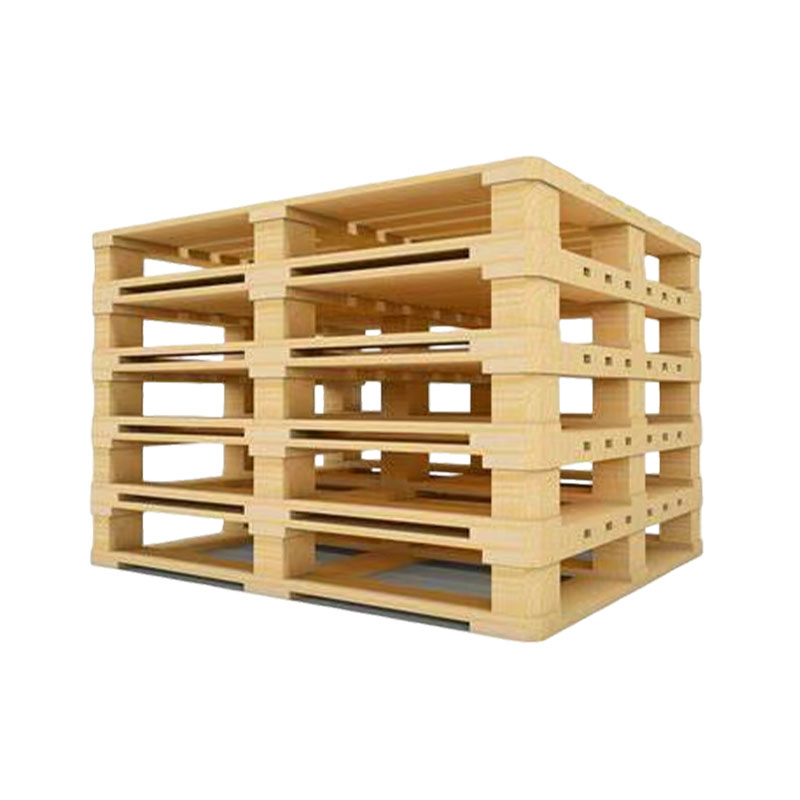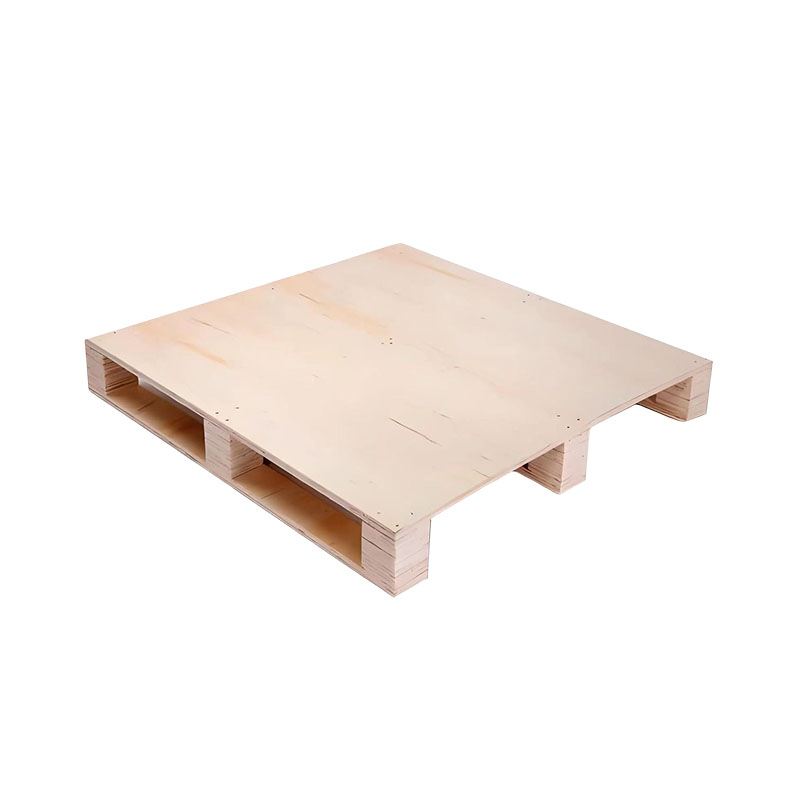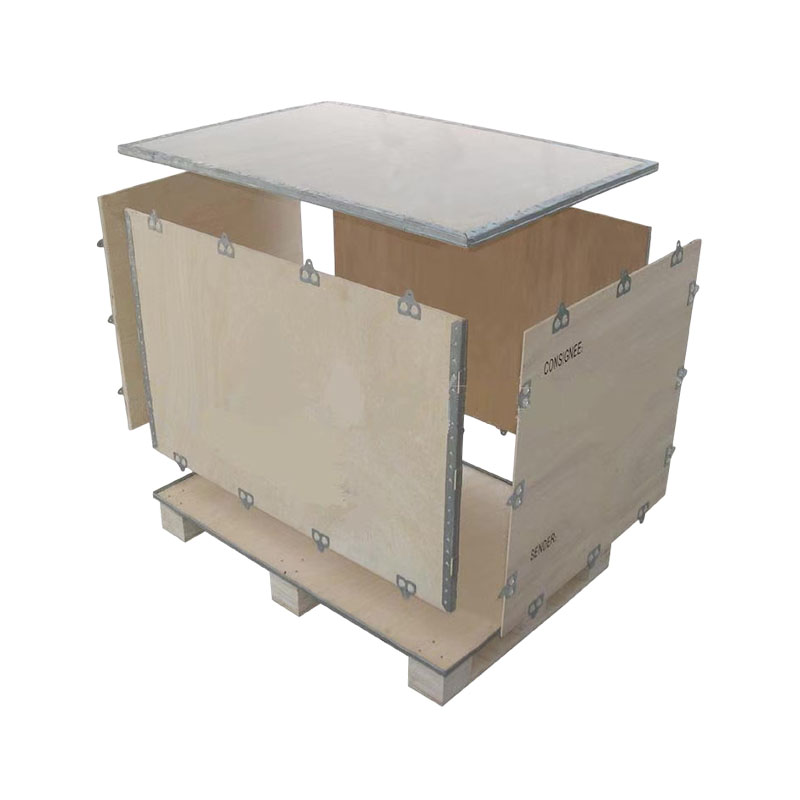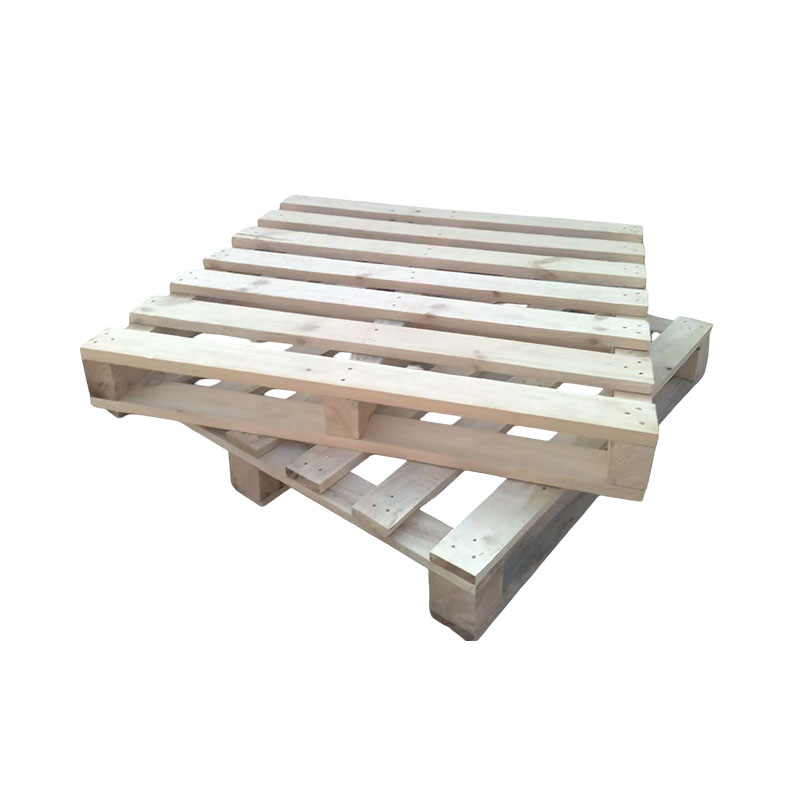

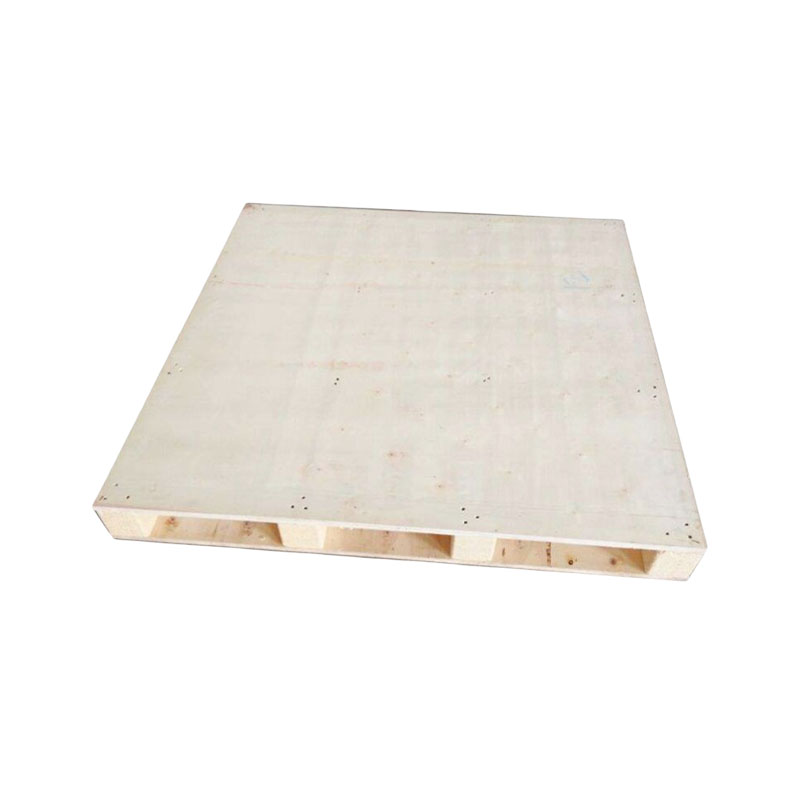
Plywood pallets are widely used in logistics and transportation due to their sturdy structure, high load-bearing capacity, and outstanding environmental friendliness.
In the grand system of modern logistics and supply chains, packaging is not only the outer garment of goods, but also the last line of defense ensuring the safe arrival of products at their destination.
The deformation problem of plywood pallets during long-term use is mainly due to uneven stress distribution in the wood, changes in environmental temperature and humidity, and defects in processing technology.
Adding dustproof strips or sealing strips at the joints can further fill the gaps and prevent dust and moisture from entering.
In modern warehousing, logistics, and international trade, plywood pallets have become a mainstream alternative to traditional solid wood pallets due to their high strength, lightweight, fumigation-free operation, and environmental recyclability.
Fragile items are extremely sensitive to impacts and vibrations, and their packaging must focus on "full wrapping and cushioning + precise fixation".